July 8, 2026
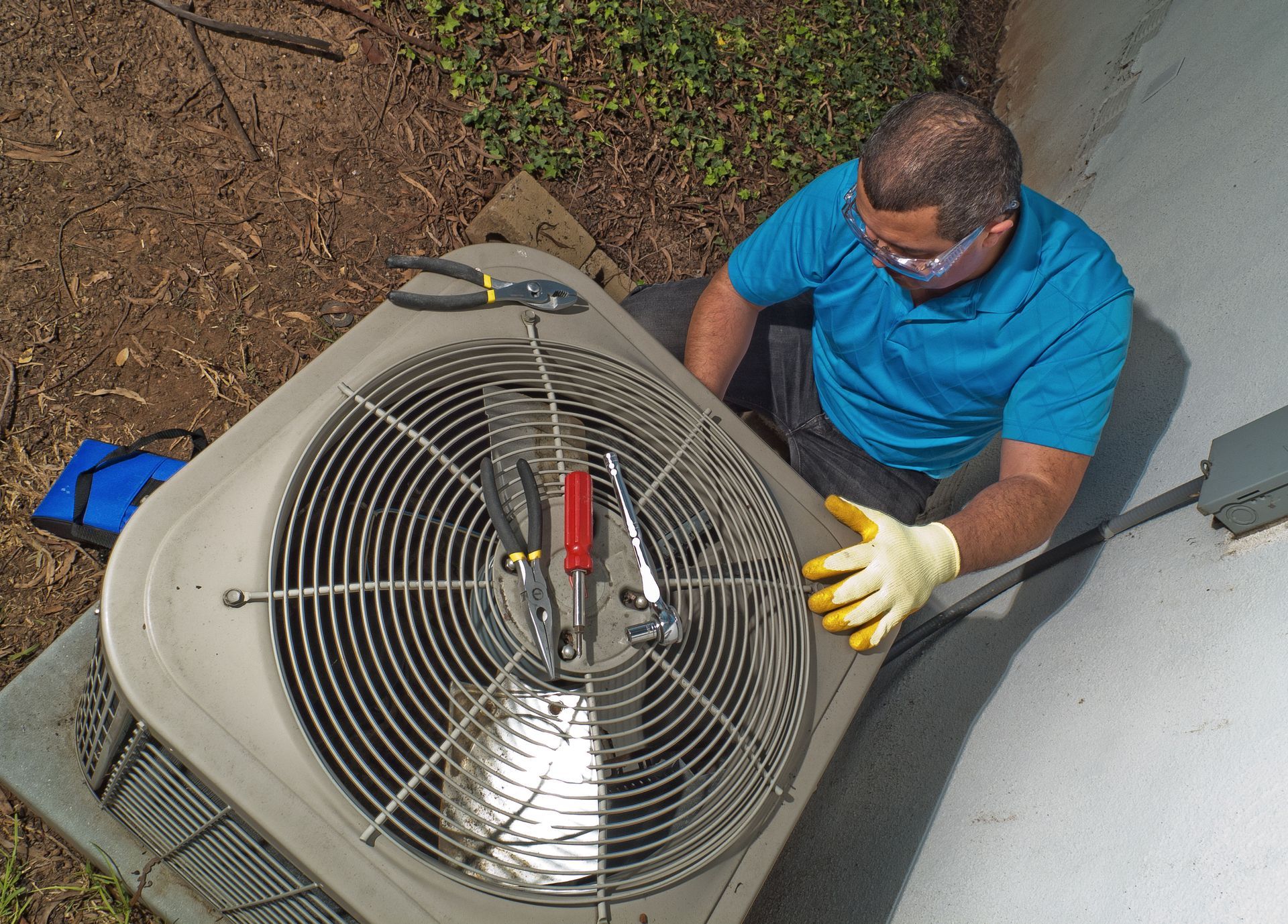
Modern climate control systems provide indispensable comfort during sweltering summer seasons. Houses require dependable cooling machines to maintain habitable interior environments. Machinery degrades over time through constant operation and environmental exposure. A failing cooling setup transforms a comfortable residence into an unlivable space. Property owners face difficult decisions when existing cooling infrastructure begins showing signs of significant deterioration. Maintaining a pleasant indoor atmosphere demands durable equipment.
Determining the correct moment for an equipment upgrade involves evaluating numerous mechanical and financial factors. Property owners must weigh the benefits of a fresh installation against the costs of ongoing system maintenance. Replacing a central cooling appliance represents a substantial financial commitment. However, clinging to outdated machinery leads to persistent frustration. Evaluating machine age, performance metrics, and financial impacts guides residents toward rational household investments.
Assessing the Age of the Equipment
Every mechanical system possesses a finite operational lifespan. Central cooling units endure tremendous stress during peak hot seasons. Internal components like compressors and coils suffer steady wear through persistent usage. Industry standards suggest that machinery exceeding specific age thresholds enters a phase of natural obsolescence. Recognizing this inevitable decline helps property owners prepare for upcoming infrastructure changes. Anticipating failure prevents a sudden loss of household climate control.
Aging infrastructure lacks the technological advancements found in contemporary models. Engineering improvements create machines boasting superior energy utilization and environmental compatibility. A dated machine consumes vast amounts of electricity to produce minimal chilling effects. Upgrading to a modern apparatus introduces smart technology integration and improved airflow dynamics. Contemporary cooling solutions offer unmatched precision. Residents gain enhanced comfort through these innovative design upgrades.
Environmental considerations play a huge role in evaluating aging hardware. Older cooling systems utilize refrigerants known to damage atmospheric layers. Global environmental regulations mandate the phase-out of these harmful chemical compounds. Modern systems incorporate eco-friendly refrigerants with zero ozone depletion potential. Replacing an antiquated setup demonstrates a commitment to environmental stewardship. Transitioning to green technology benefits both the household and the surrounding global ecosystem.
Reviewing the Frequency of Breakdowns
Consistent operational failure serves as a primary indicator of systemic collapse. A dependable cooling unit operates without interruption throughout entire seasons. Experiencing multiple mid-season breakdowns signals profound internal degradation. A home losing its chilling capacity during peak heat waves creates miserable living conditions for occupants. Reliability remains the most crucial attribute of any domestic appliance. Constant malfunctions eradicate peace of mind.
A pattern of persistent mechanical issues demands scrutiny. While an isolated malfunction seems normal, successive failures indicate a terminal trajectory. Service technicians cannot reverse the foundational wear affecting aging metal and electrical parts. A household suffering through consecutive part failures wastes valuable resources. Mounting invoices from continuous air conditioning repairs decimate family budgets. Sinking money into a dying system makes little financial sense.
The sheer inconvenience of recurrent breakdowns disrupts daily routines. Residents spend uncomfortable hours or days awaiting service appointments. High temperatures turn indoor spaces into humid, stifling enclosures. This disruption affects sleep patterns, mood, and overall domestic harmony. Dependable appliances operate in the background without demanding constant attention. A volatile cooling setup forces residents to endure unacceptable levels of thermal discomfort.
Comparing cumulative maintenance costs against fresh installation prices provides clarity. At a specific juncture, the total capital directed toward temporary fixes exceeds the price tag of brand-new equipment. Property managers must calculate these ongoing expenditures. Pouring capital into obsolete hardware delays an inevitable replacement. Deferring further air conditioning repairs by purchasing modern machinery represents a wise allocation of household funds.
Analyzing the Decline in Performance
A noticeable reduction in chilling capability points toward severe mechanical distress. Rooms failing to reach desired thermostat settings indicate weak airflow or compromised refrigerant levels. Residents might notice warm air blowing from supply registers instead of crisp, cold drafts. Such performance drops mean the compressor or evaporator coil is failing. Ignoring these performance deficits guarantees total operational cessation. Optimal performance is non-negotiable.
Uneven temperature distribution throughout a structure reveals significant ductwork or blower motor problems. Occupants might find certain zones freezing while distinct areas remain intolerable. A healthy unit pushes conditioned air into every designated space with equal force. Stratified temperature zones force machines to run without pause, exacerbating mechanical wear. Achieving consistent thermal equilibrium is impossible with a failing, unbalanced central air system.
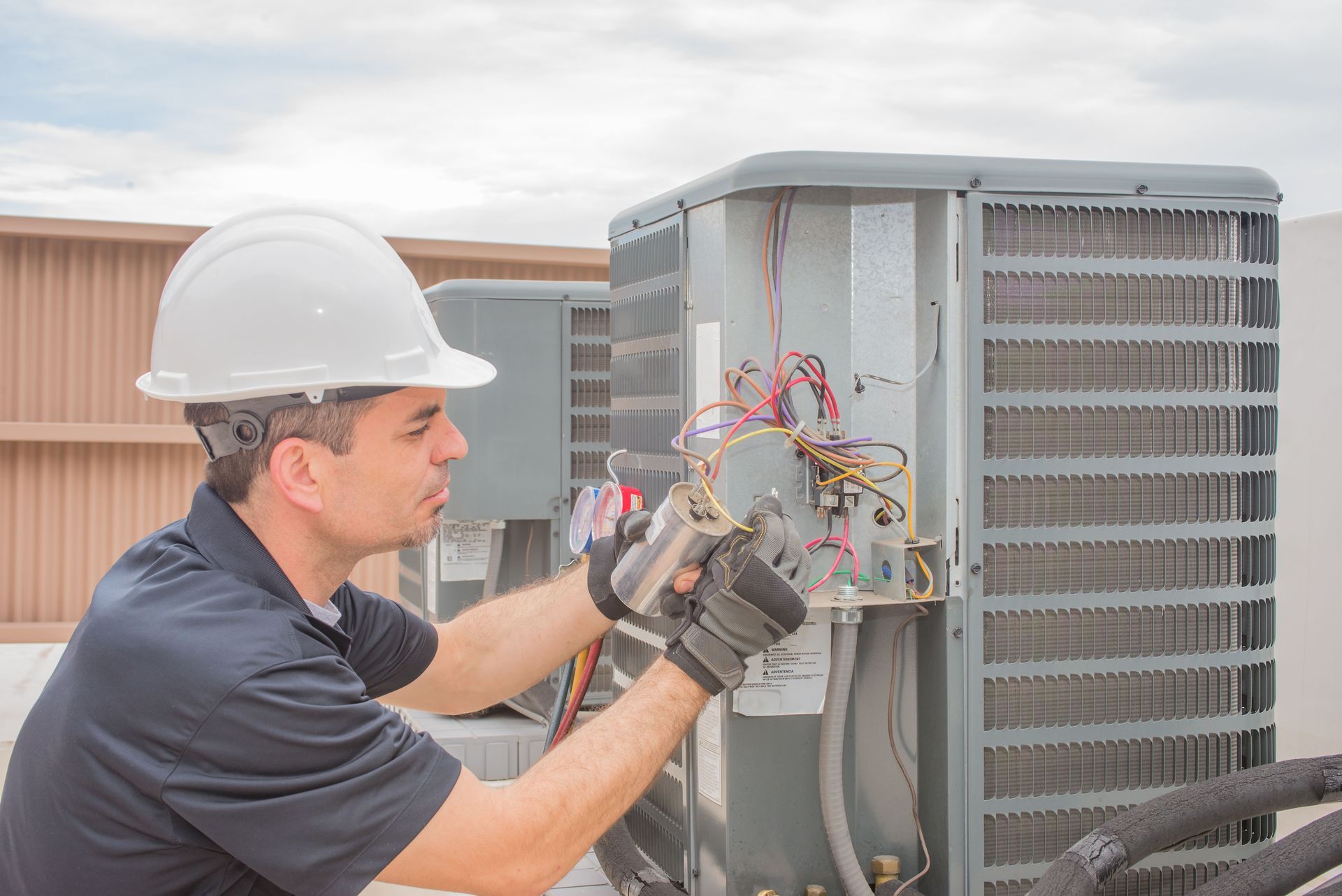
Unusual auditory or olfactory signals serve as distress alarms for failing mechanisms. Grinding, squealing, or rattling sounds suggest loose belts, failing bearings, or displaced motor components. Musty or burning odors indicate mold accumulation or electrical faults. Operating machinery under these conditions poses safety risks to the property. Neglecting strange noises guarantees extensive air conditioning repairs before a permanent hardware shutdown occurs.
Adequate humidity control stands as a core function of proper climate management. Functional machines extract excess moisture from the atmosphere while lowering ambient temperatures. A degraded system loses this vital dehumidification capacity. Homes begin feeling sticky, oppressive, and uncomfortable despite active cooling efforts. High indoor humidity encourages biological growth and damages the property's interior finishes. Superior moisture extraction requires capable mechanical operation.
Monitoring the Rise in Expenses
Escalating monthly utility statements highlight plunging mechanical efficiency. An older machine runs extended cycles to achieve basic cooling parameters. This prolonged operation draws excessive electrical power from the local grid. Surging energy bills during the summer months act as a clear metric of equipment degradation. Property owners endure unjustifiable financial penalties for operating inefficient machinery. Efficiency loss translates to monetary waste.
The global shift toward high-efficiency climate control drives massive industry expansion. Upgrading infrastructure aligns with broader economic trends prioritizing sustainability. According to Global Market Insights, the HVAC market is projected to reach $564.8 billion in 2026 and grow to $1.2 trillion by 2035. This staggering economic expansion reflects a universal consumer demand for superior, cost-effective residential and commercial cooling innovations.
Installing current technology yields an immediate return on investment via slashed utility expenses. Contemporary setups optimize electrical consumption to produce maximum chilling output. Reduced monthly operating costs help offset the initial purchase price of the equipment. Homeowners reclaim their disposable income by adopting efficient climate management strategies. Avoiding surprise air conditioning repairs keeps household emergency funds intact and secure.
Accessible financing structures and government rebates make equipment transitions feasible for average households. Utility providers incentivize the adoption of high-efficiency models through rebate programs. These financial mechanisms remove barriers to entry for property owners seeking better climate solutions. Modernizing a home improves property value while delivering premium daily comfort. Upgrading represents a sensible lifestyle enhancement paired with tangible, long-term economic advantages.
Finalizing the decision to replace aging cooling infrastructure requires thoughtful analysis of multiple factors. Property owners must evaluate hardware age, breakdown frequency, performance quality, and overall economic impacts. Postponing an inevitable transition subjects residents to escalating discomfort and financial drain. Rational consumers recognize the futility of patching obsolete machinery. Endless cycles of air conditioning repairs delay the implementation of a permanent, superior cooling strategy.
Investing in contemporary climate control transforms the residential experience. An efficient cooling network guarantees serene, cool environments during blistering summer periods. Households deserve dependable appliances operating with peak efficiency and minimal noise. Upgrading outdated mechanical systems provides lasting peace of mind and undeniable monetary savings. Embracing modern thermal technology ensures a safe, comfortable, and efficient living space for all occupants. Contact our team at Mann Plumbing and Heating, LLC. to stop the cycle of frequent air conditioning repairs. We are ready to upgrade your cooling system and restore your indoor comfort.