September 8, 2026
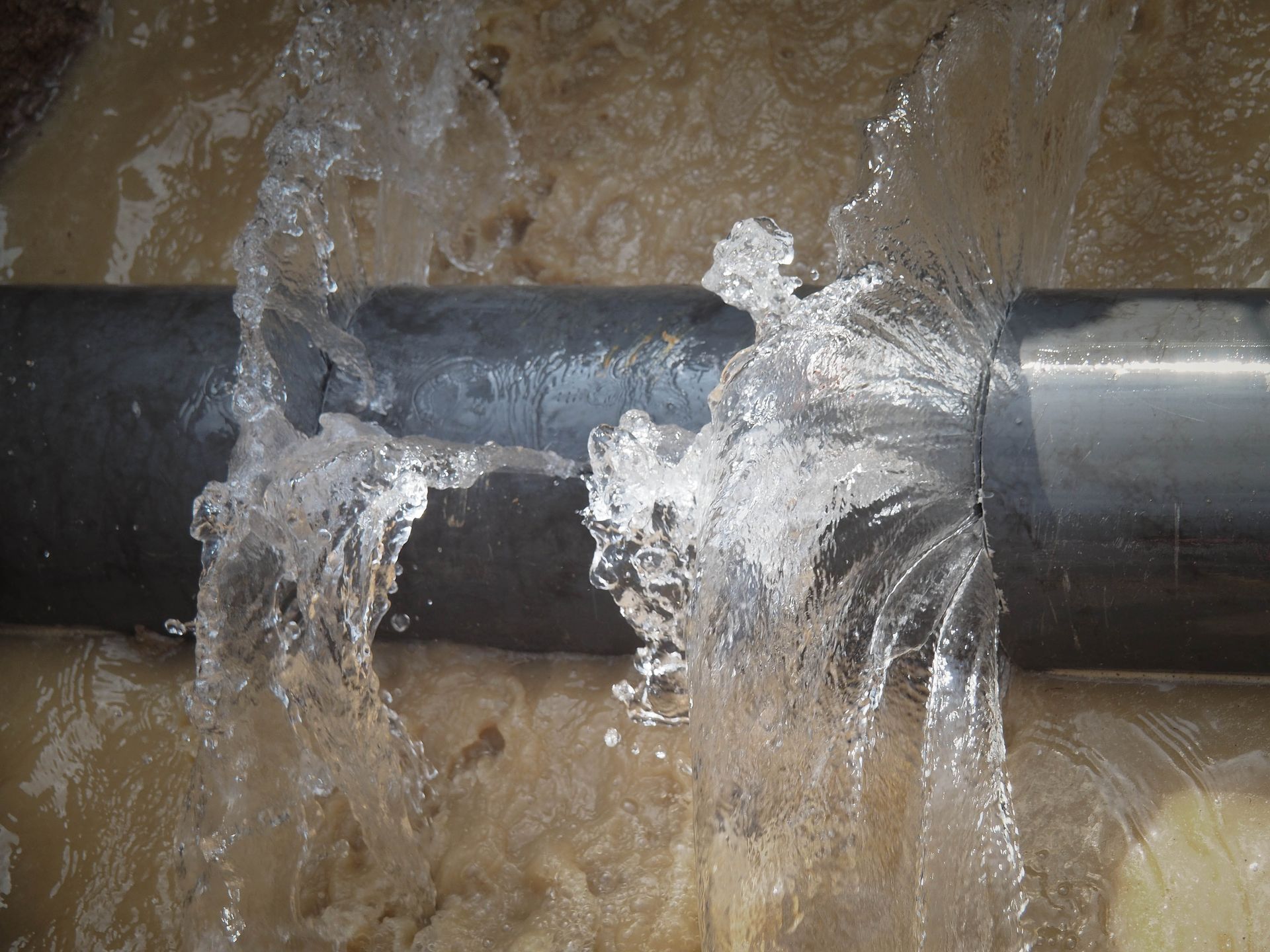
A burst pipe can quickly turn a normal day into a stressful household emergency. Water can spread across floors, seep behind walls, and damage ceilings, cabinets, furniture, and belongings in a short amount of time. Knowing how to respond immediately can help reduce the amount of damage and keep everyone in the home safer. The first few minutes are especially important because delaying action can allow more water to escape from the broken line. Homeowners should focus on stopping the water, protecting people and property, and getting the problem professionally assessed. It is also helpful to know where the main water shutoff valve is located before an emergency happens. While some cleanup may be manageable, a severely damaged pipe generally requires professional attention to determine the cause and make a lasting repair. Understanding these immediate steps can make a burst pipe easier to manage and help you begin restoring your home with greater confidence.
Shut Off the Main Water Supply
The first step after discovering a burst pipe is to stop the flow of water as quickly as possible. Locate the home's main shutoff valve and turn it off to prevent additional water from entering the plumbing system. If the damaged line has an individual shutoff valve that you can safely reach, closing it may also help isolate the problem. Every household should know where these valves are located before an emergency occurs. If you are unsure which valve controls the home's water supply, a professional providing plumbing services can explain its location during a routine inspection. Do not spend excessive time searching if water is rapidly spreading through the home. Once the supply has been stopped, open a faucet briefly to relieve pressure remaining in the pipes. Taking these actions quickly can significantly limit the amount of water released from the damaged line.
Protect Everyone From Hazards
Water damage creates more than a cleanup problem because electrical hazards may develop when water reaches outlets, appliances, or wiring. Keep children and pets away from areas where water has accumulated. Never walk through standing water if electrical equipment or outlets may be energized nearby. If you can safely reach the electrical panel without entering a wet area, you may consider shutting off power to the affected section of the home. If the panel or surrounding area is wet, do not attempt to operate it yourself. Instead, move everyone to a safe location and contact an appropriate professional for assistance. Plumbing services can address the water-line problem, but electrical hazards may require a licensed electrician. Prioritizing personal safety over property protection is essential during any major plumbing emergency.
Locate the Source of the Break
Once the water is shut off and everyone is safe, determine where the pipe appears to have failed. Look for visible cracks, splits, leaking joints, damaged fittings, or sections of pipe that have separated. Remember that the spot where water appears may not be the exact location of the break. Water can travel behind walls, beneath floors, and through ceilings before becoming visible. Check nearby rooms for damp flooring, stained drywall, bubbling paint, or unexplained moisture. Take photographs of the affected areas so you have a record of the damage before major cleanup begins. A professional offering plumbing services can inspect the system more thoroughly and determine where the failure originated. Avoid cutting into walls or ceilings simply to search for the damaged pipe unless a qualified professional recommends doing so.
Move Vulnerable Belongings
After the water has stopped, protect furniture and household belongings from additional exposure whenever it is safe to do so. Move rugs, electronics, books, artwork, upholstered furniture, and other vulnerable items away from wet areas. Place containers beneath remaining drips if you can do so without exposing yourself to an unsafe condition. Towels and absorbent materials can help manage small amounts of surface water while you arrange professional assistance. Be particularly careful with items made from wood, paper, fabric, and other materials that can absorb moisture quickly. If something is already saturated, move it to a dry, ventilated location when practical. Professional plumbing services can address the source while you focus on limiting damage to your belongings. Acting early may help preserve items that could otherwise deteriorate from prolonged exposure to moisture.
Document the Water Damage
Photographs and written notes can provide valuable documentation after a burst pipe occurs. Capture images of damaged flooring, walls, ceilings, cabinets, appliances, furniture, and belongings. Take photographs from several angles so the overall extent of the problem is easier to understand. Write down when you discovered the leak and what actions you took to stop the water. Keep receipts for emergency supplies, cleanup materials, drying equipment, and repair work. If you have homeowners insurance, contact your provider to learn what documentation may be required for a potential claim. Your plumbing services provider may also supply an invoice, inspection findings, or repair information that can become part of your records. Thorough documentation can make it easier to organize the recovery process and communicate clearly with everyone involved.
Avoid Improvised Pipe Repairs
A homeowner may be tempted to wrap a damaged pipe with tape or another temporary material after the water has been shut off. While a temporary measure might control a minor drip, it should not be considered a permanent solution for a burst line. A severely damaged pipe can have weakened areas that are not immediately visible. Attempting to cut, reconnect, or replace a pipe without the appropriate tools and knowledge can create additional leaks. It can also make the original problem harder to diagnose if important components are altered. Instead, leave the water turned off until the damaged section can be properly inspected. Plumbing services professionals can determine whether the affected section should be repaired, replaced, or evaluated for additional problems. Avoiding risky do-it-yourself repairs can help prevent another failure after the immediate emergency appears to be under control.
Begin Safe Water Removal
Once the plumbing problem has been addressed, begin removing standing water as soon as conditions allow. Small amounts of water may be handled with towels, mops, buckets, or a suitable wet vacuum when the area is safe. Larger amounts may require specialized extraction and drying equipment. Open doors and windows when appropriate to encourage ventilation and help moisture escape. Fans and dehumidifiers can also assist with drying affected areas, depending on the circumstances. Do not assume that a room is completely dry simply because the visible water has disappeared. Moisture can remain underneath flooring, inside walls, beneath cabinets, and within other building materials. Plumbing services can stop the source of the water, while restoration professionals may be needed when extensive materials have become saturated.
Prevent Future Pipe Failures
After the emergency has been resolved, take time to understand why the pipe failed in the first place. Aging materials, corrosion, freezing temperatures, excessive pressure, damaged connections, and installation issues can contribute to pipe failures. A professional inspection can help identify other vulnerable areas before they develop into emergencies. According to Houzz, 62% of people prefer local plumbers instead of national chains when dealing with emergency plumbing problems, highlighting the value homeowners place on nearby assistance during urgent situations. Local professionals may also be familiar with common plumbing concerns affecting homes in the surrounding area. Ask about practical maintenance steps that can help protect vulnerable pipes throughout the year. Knowing how to shut off the water supply can also make future emergencies easier to manage. Preventive attention can help reduce the likelihood of another burst and give homeowners greater peace of mind about their plumbing system.
If you are dealing with a burst pipe or another plumbing emergency, contact Mann Plumbing and Heating, LLC today for prompt, professional assistance and dependable solutions for your home.