November 6, 2026
In this article, we will explore the various ways in which heating repairs can lead to financial savings. As energy costs continue to rise, keeping our heating systems efficient and well-maintained has never been more crucial. Below we delve into the practical and economic benefits of ensuring your heating system is in prime condition. According to the U.S. Energy Information Administration, HVAC systems are the single largest energy consumer in most buildings, accounting for 40% to 50% of total energy use. With such an impact on energy consumption, maintaining an efficient heating system can significantly influence household expenses and savings.
1. Enhancing Energy Efficiency
1.1 Identifying and Fixing Leaks
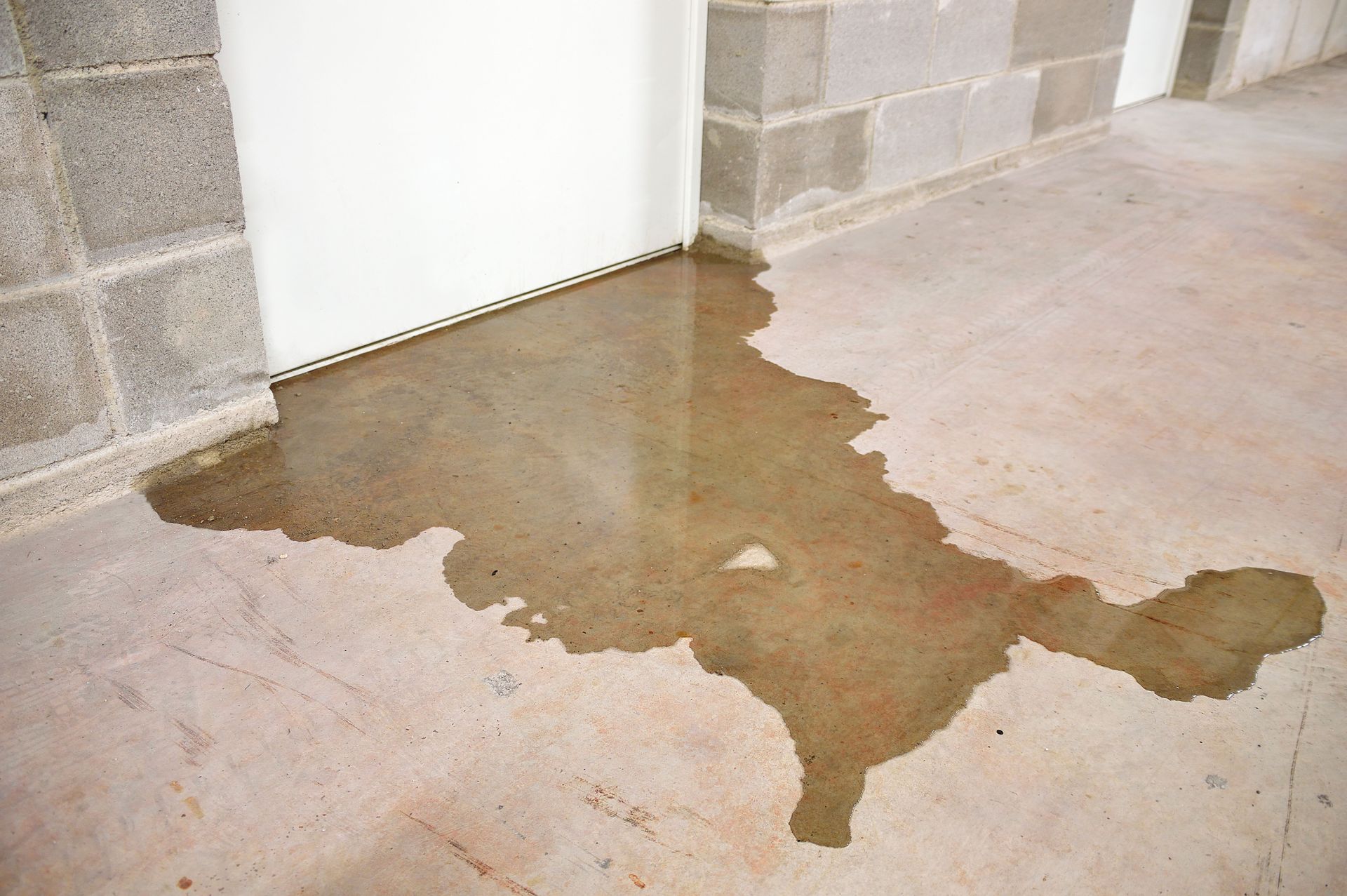
Identifying and fixing leaks in your heating system is a primary step toward enhancing energy efficiency. Leaks often result in substantial heat loss, leading to increased energy consumption as the system works harder to maintain a consistent temperature. By repairing these leaks promptly, you can significantly reduce unnecessary energy waste. This not only lowers energy bills but also minimizes the environmental impact by conserving energy resources. Implementing regular inspections to spot and fix leaks can save a household a considerable amount in energy costs over time.
1.2 Upgrading Thermostat Technology
Another effective way to improve energy efficiency is by upgrading to a programmable thermostat. Modern thermostats allow homeowners to schedule heating based on specific needs, reducing energy use when the house is empty or during sleep. This smart technology ensures that energy is not wasted on heating when it is not needed, leading to significant cost savings. With the ability to control temperature settings remotely, there is further potential to optimize heating schedules to save money. The integration of such technology reflects a small initial investment for long-term savings in energy bills.
1.3 Cleaning and Maintaining Ductwork
Keeping ductwork clean and well-maintained is crucial for the efficient operation of heating systems. Over time, dust and debris can accumulate in the ducts, hindering airflow and forcing the system to work harder. Regular cleaning of ductwork can improve airflow, resulting in a more efficient system that uses less energy. By maintaining clear ducts, energy consumption is reduced, leading to lower utility bills and extended system lifespan. Consistent upkeep prevents the buildup of contaminants, maintaining a healthier environment and more efficient heating performance.
1.4 Insulating Pipes and Ducts
Proper insulation of pipes and ducts is another key factor in energy efficiency and cost savings. Insulation helps to maintain the desired temperature within the system, reducing the loss of heat to the surroundings. By ensuring that pipes and ducts are adequately insulated, less energy is required to heat the home, which results in lower energy expenses. Additionally, improved insulation contributes to sustainability by decreasing the overall demand for energy resources. Investing in high-quality insulation can be a cost-effective strategy to enhance system efficiency and reduce energy bills over the long term.
1.5 Regular Calibration of Equipment
Regular calibration of heating equipment is essential to maintain optimal performance and energy use. Periodic calibration ensures that all components of the heating system function correctly and efficiently. By calibrating equipment, homeowners can avoid inefficiencies that lead to increased energy consumption and expenses. This practice not only optimizes the system’s functioning but also extends its operational life. Regularly maintained equipment is less likely to fail unexpectedly, reducing the likelihood of costly repairs and further preserving energy resources.
2. Extending System Lifespan
2.1 Routine Maintenance Checks
Routine maintenance checks are vital for prolonging the lifespan of heating systems. Such checks enable the identification and rectification of minor issues before they escalate into major problems. By adhering to a strict maintenance schedule, homeowners can ensure their systems run smoothly and efficiently. This practice not only extends the system's operational lifespan but also saves money by avoiding premature replacements. Regular maintenance checks can ultimately provide a greater return on investment and ensure a consistent and reliable heating experience.
2.2 Early Detection of Issues
Early detection of issues within heating systems significantly reduces the cost of repairs. When minor problems are left unaddressed, they often lead to more significant and costly issues. By identifying and resolving issues early, households can avoid the financial burden of extensive repairs and replacements. Early interventions also ensure the heating system operates efficiently, optimizing energy use and reducing bills. A proactive approach to identifying issues not only saves time and money but also contributes to the longevity and reliability of the heating system.
2.3 Preventive Component Replacement
Preventive replacement of components plays a crucial role in maintaining heating system reliability and efficiency. Waiting for components to fail before replacement can result in system breakdowns and costly emergency repairs. By replacing worn or outdated components on a regular basis, homeowners can prevent unexpected failures and maintain optimal system operation. This proactive strategy ensures continuous comfort and avoids the inconvenience associated with system downtime. Regular component replacement is a practical investment toward sustaining system efficiency and extending its useful life.
2.4 Reducing Wear and Tear
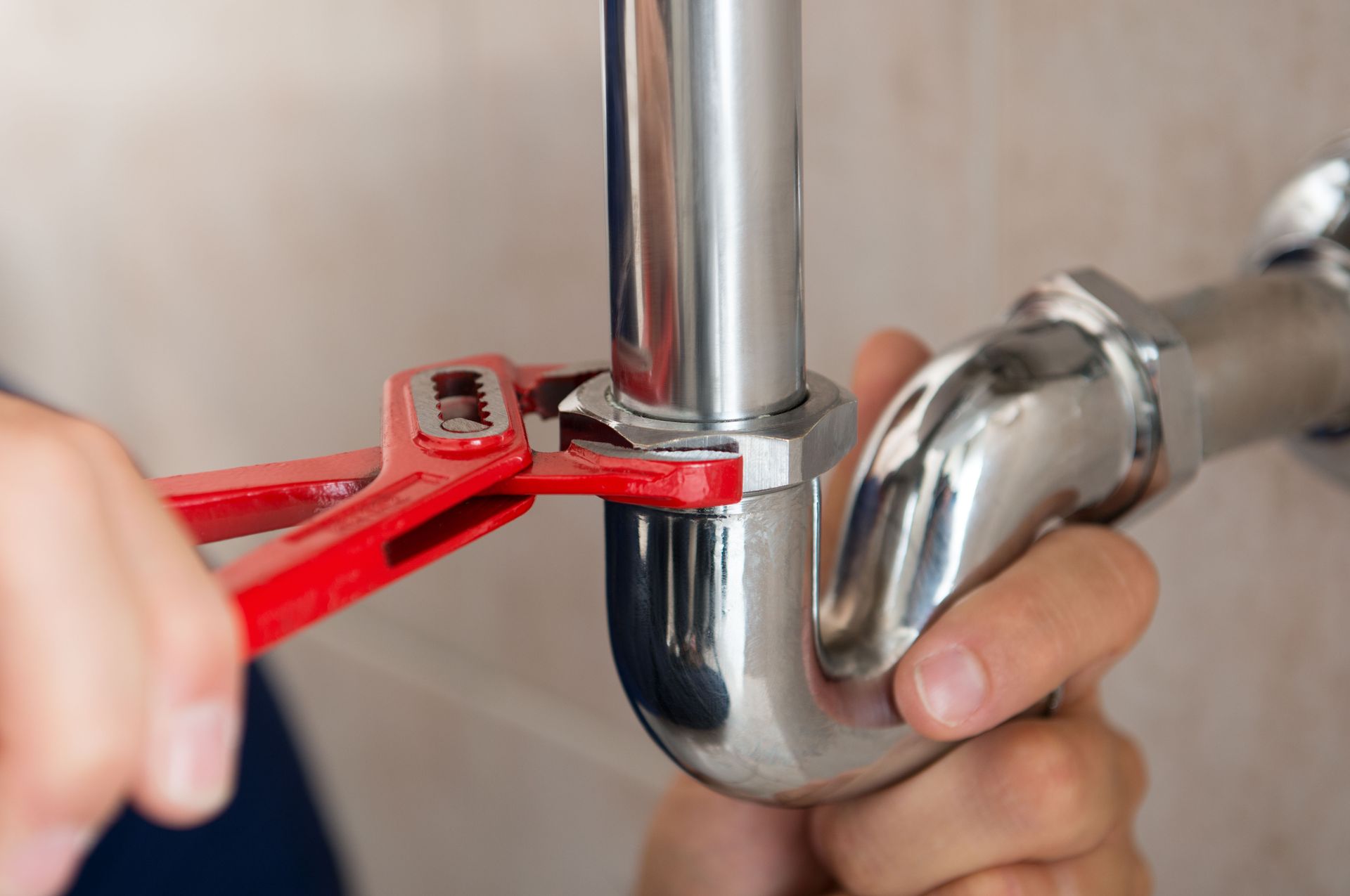
Regular maintenance reduces wear and tear on heating system components, safeguarding against premature failures. Systems exposed to regular wear and tear without adequate maintenance are prone to breakdowns and inefficiencies. Comprehensive care, including lubrication and tightening of parts, minimizes mechanical strain and enhances system durability. By reducing wear and tear, households can avoid frequent repairs and enjoy consistent savings on energy costs. This approach not only secures long-term savings but also upholds the comfort and safety of the home environment.
3. Minimizing Emergency Repairs
3.1 Scheduled Maintenance Plans
A structured maintenance schedule can effectively prevent unexpected system breakdowns and emergency repairs. Regular upkeep and timely interventions ensure optimal performance and reliability at all times. Investing in scheduled maintenance is more economical than dealing with costly, unplanned emergency repairs. This approach ensures that systems remain operational without interruption and eliminates the stress and inconvenience associated with unforeseen system failures. By prioritizing regular maintenance, homeowners enjoy dependable heating and greater financial control over repair expenses.
3.2 Comprehensive System Diagnostics
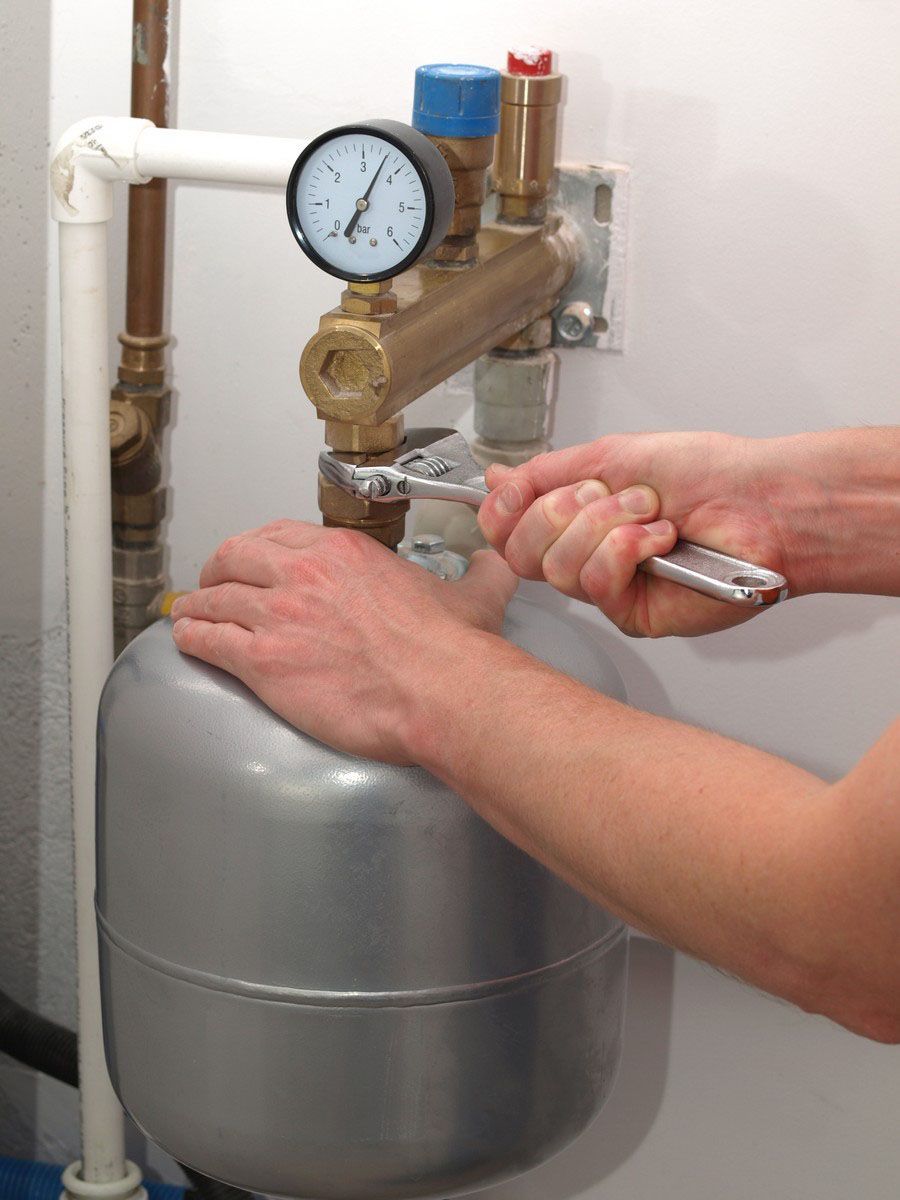
Comprehensive system diagnostics is crucial for preemptively identifying and fixing potential problems in heating systems. Through detailed diagnostics, underlying issues can be addressed before they develop into major concerns. Full system checks help avoid emergency repairs, which are typically more expensive and disruptive. Implementing regular system diagnostics enhances efficiency, resulting in energy savings and reduced repair costs. This proactive approach not only prevents emergency situations but also adds value through sustained system performance.
3.3 Budgeting for Regular Upkeep
Budgeting for regular upkeep is a strategic financial decision that minimizes the impact of sudden repair costs. By allocating funds for scheduled maintenance, homeowners can mitigate the expensive nature of emergency repair expenses. Engaging in planned budgeting allows households to manage their finances effectively by anticipating rather than reacting to repair needs. This approach ensures that the heating system remains efficient, supporting consistent energy savings. Periodic upkeep transforms potential emergency expenses into manageable, predictable costs.
In conclusion, investing in regular heating repairs and maintenance not only ensures the efficient operation of your heating system but also provides several financial benefits. From reducing energy bills to maximizing home value, the economic advantages are substantial. According to the U.S. Energy Information Administration, HVAC systems are the single largest energy consumer in most buildings, accounting for 40% to 50% of total energy use. Given this significant consumption, prioritizing system efficiency through maintenance fosters fiscal responsibility and environmental consciousness. By safeguarding your heating system’s health, you protect and potentially grow your financial assets, creating a comfortable and cost-effective home environment. Be sure to reach out to Mann Plumbing and Heating, LLC today to learn more about our professional heating repairs!